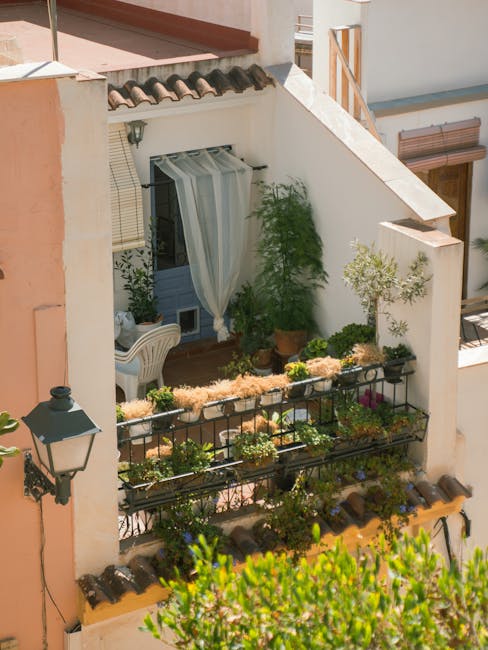
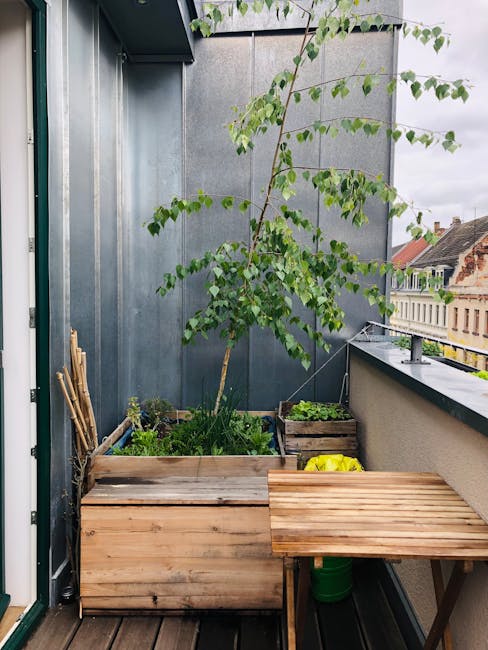
HA5 gardeners best practices for small terrace gardens
If you have a small terrace, you already know the charm and the challenge. There is the morning light on the paving, the little pocket of sky above the fence, and just enough space to make a proper outdoor room - but not enough room to get away with messy planting or poor planning. HA5 gardeners best practices for small terrace gardens are really about making every square metre work hard without making the space feel cramped.
Whether you are starting with a bare terrace, refreshing a tired setup, or trying to tame a collection of pots that has slowly taken over the whole patio, the same principles apply: plan the layout carefully, choose the right plants, keep water and drainage under control, and build in maintenance you can actually keep up with. Sounds simple. In practice, it is the small details that decide whether the space feels calm and green or cluttered and brittle by late summer.
This guide covers the practical side of small terrace gardening for HA5 homeowners and renters alike: what works, what tends to fail, how to think about structure, and how to avoid the classic mistakes that creep in after the first enthusiastic weekend. There is no fluff here. Just the useful stuff, based on real-world terrace conditions, London weather, and the kind of small-space decisions that save time later.
Table of Contents
- Why best practice matters for small terrace gardens in HA5
- How small terrace gardening works in practice
- Key benefits and practical advantages
- Who this is for and when it makes sense
- Step-by-step guidance
- Expert tips for better results
- Common mistakes to avoid
- Tools, resources and recommendations
- Law, compliance, standards, and best practice
- Options, methods, and comparison table
- Case study: a real-world terrace refresh
- Practical checklist
- Conclusion
- Frequently asked questions
Why HA5 gardeners best practices for small terrace gardens Matters
Small terrace gardens are unforgiving in a good way. Every decision is visible. A pot that is too large, a plant that outgrows its spot, or a poorly drained corner can throw off the whole composition. On a bigger plot, mistakes blur into the background. On a terrace, they stare back at you every time you open the door.
For HA5 properties in particular, terrace spaces often have a mix of brick, paving, fencing, and neighbouring walls that reflect heat and light. That can be useful for some plants, but it also means drying winds, summer scorch, and uneven moisture. If the space is overlooked or shaded by adjacent buildings, the challenge changes again. Different aspect, different plant list, different watering rhythm. That is why a generic gardening approach usually falls short.
Best practice matters because it helps you avoid doing too much too soon. A lot of small terrace gardens go wrong because people try to fit in every idea at once: trees, herbs, climbers, seating, lighting, storage, and a dozen decorative pots. The result? A space that looks busy, feels cramped, and is a pain to maintain. A better plan is calmer and more deliberate.
If you are also thinking about the broader garden beyond the terrace, it can help to look at related local guidance such as garden design support or the practical maintenance advice in garden maintenance services. Sometimes the best terrace result comes from treating it as part of the full outdoor layout rather than a separate afterthought.
Expert summary: the best small terrace gardens are not the fullest ones - they are the ones with the clearest structure, the healthiest plants, and the easiest upkeep. If it looks lovely in April but becomes a chore by August, the plan needs refining.
How HA5 gardeners best practices for small terrace gardens Works
At its core, terrace gardening is about balancing five things: light, space, weight, water, and maintenance. Miss one of those and the rest become harder. Get them right and the whole setup becomes much easier to enjoy.
Light decides what you can grow. A south-facing terrace can take many sun-loving plants, but it may also need extra watering and shelter from reflected heat. A north-facing terrace often favours ferns, evergreen structure, and shade-tolerant planting. East and west aspects sit somewhere in the middle, with morning or afternoon sun shaping the planting plan.
Space is not just about floor area. It is about vertical space, visual space, and movement. If a terrace is too packed, you lose the sense of being able to step outside and exhale. Vertical planting, wall planters, and narrow benches can help, but only if they are used sparingly and with purpose.
Weight matters more than many people realise. Terraces, balconies, and roof-like structures may have load considerations. Even on ground-level terraces, very large planters filled with wet compost and mature shrubs can be awkward to move and difficult to reset. Keep heavy items sensible and distribute them well. If you are unsure about structural limits, speak to a qualified professional before filling a terrace with large built-ins.
Water is the classic problem. Pots dry faster than beds. Terraces often get wind, heat, and reflected warmth from surrounding materials, which speeds things up. That means drainage holes, watering schedules, and mulch all matter. Truth be told, many terrace gardens fail not because the plants were wrong, but because the watering plan was a bit wishful.
Maintenance is the hidden test. A small space needs less total time, but it needs more consistency. Deadheading, trimming, feeding, checking for pests, and rotating pots are all part of the rhythm. If you would like the wider garden to keep pace with the terrace, resources like seasonal garden clearance can make the reset between seasons far less stressful.
In practice, HA5 gardeners best practices for small terrace gardens work by setting up a simple system that suits the site. Not the dream version. The real one. The one you will still be happy with on a damp Tuesday in October.
Key Benefits and Practical Advantages
A well-planned terrace garden gives you more than decoration. It improves the way you use the home and the way the outdoor space feels day to day. And yes, that does matter. A lot.
- Better visual space: good structure makes even a tiny terrace feel calmer and more generous.
- Healthier plants: matching plants to aspect, pot size, and watering needs reduces stress and failure.
- Lower maintenance: a tighter plant palette and sensible layout reduce the amount of constant tidying.
- Improved privacy: climbers, screens, and layered planting can soften sightlines without blocking light completely.
- Year-round interest: evergreen structure, grasses, and seasonal planting keep the space looking good beyond one summer.
- Better use of small budgets: careful planning avoids wasteful purchases and repeated replacement plants.
- More comfortable outdoor living: a terrace that is easy to step into tends to be used more often for reading, meals, or a quick coffee outside before work.
There is also a quieter benefit that people often overlook. A small terrace garden can make the whole home feel more settled. You notice it when you open the doors and see living texture instead of bare paving. Slight breeze. Leaf movement. A bit of scent from herbs or jasmine. Small thing, big effect.
For homeowners comparing options, it is worth reviewing practical services like planting services and hedge trimming if boundary screening is part of the plan. Sometimes the most effective terrace improvement is one strong structural choice, not ten little ones.
Who This Is For and When It Makes Sense
This approach suits anyone with a compact terrace who wants the space to feel intentional rather than improvised. It is especially useful if you are dealing with one of these situations:
- a small rear terrace that gets full sun and dries out quickly;
- a shaded courtyard-style terrace with limited direct light;
- a rental terrace where you need flexible, low-commitment planting;
- a family space that needs to be safe, usable, and not too fragile;
- a property refresh before sale or after moving in;
- a terrace that has become cluttered with mismatched pots and random extras, which, lets face it, happens to a lot of us.
It also makes sense if you are trying to do more with less. Maybe you have only a few hours a month to maintain the garden. Maybe you love plants but do not want a full-scale landscape project. Maybe you want outdoor impact without the cost and mess of a major rebuild. In those cases, a terrace-focused plan is usually the right middle ground.
For some people, the best next step is a tidy, well-structured maintenance plan. For others, it is a design-led reshuffle. If you are unsure, a local consultation with a service that understands compact urban gardens can save you from buying the wrong materials first and thinking about the plan later. That order almost always causes trouble.
Step-by-Step Guidance
Here is a practical way to build or improve a small terrace garden without overcomplicating it. Keep it steady. No need to turn a weekend project into a saga.
1. Measure the space and map the light
Start with exact measurements of the terrace itself, plus door openings, awkward corners, and any permanent features. Then note where the sun falls through the day. Morning shade, afternoon glare, gusty corners, wet patches - all of it matters. A simple sketch on paper is often enough. You do not need fancy software to spot the obvious bottlenecks.
2. Decide how you want to use the terrace
Is it for sitting, dining, growing, screening, or all of the above? A terrace that tries to do everything often ends up doing nothing well. Pick the priority first. For example, if you want a coffee-and-reading corner, that single decision will shape the amount of floor space, furniture, and planting height you can comfortably include.
3. Keep the layout simple and layered
Use a three-part structure:
- Low layer: small pots, ground-level planters, or a few herb containers.
- Middle layer: medium shrubs, grasses, or flowering perennials.
- High layer: climbers, trellis panels, wall pots, or a slim screen.
This layered approach gives depth without clutter. It also helps the eye move around the space more naturally. If everything sits at the same height, the terrace can feel flat and oddly unfinished.
4. Choose containers with purpose
Not every planter needs to be decorative. Some of the best terrace containers are plain, sturdy, and suitable for the plant. Make sure they have drainage holes, enough soil volume, and a finish that can handle weather exposure. In windy or sunny spots, darker containers can heat up faster, so you may want to balance those with lighter materials or shaded placement.
5. Select plants for the actual site, not the brochure version
Choose plants based on exposure, maintenance level, and the amount of room they will need in a year or two. A tiny shrub in a nursery pot can look harmless. Then six months later it is nudging the seating area. Happens all the time. Ask how wide and tall a plant will become, not just how nice it looks on the day of purchase.
Good terrace candidates often include compact shrubs, ornamental grasses, herbs, seasonal colour, and climbers with a light footprint. If you want more structure, consider evergreen forms that keep the garden from vanishing in winter.
6. Install a sensible watering routine
Terrace plants in containers need more consistent watering than planted borders. Group pots with similar needs together. This makes the job quicker and reduces the risk of overwatering one plant and under-watering another. In summer, a morning watering routine usually works better than leaving everything until late evening. On hot days, pots can dry out surprisingly fast, especially against brick or paving.
A simple trick: lift the pot. If it feels very light and the compost is dry below the surface, it probably needs water. Heavy, cold, soggy pots need less. Nothing glamorous about it, but it works.
7. Finish with details that make the space usable
Add one or two finishing touches, not ten. A small bench, a hook for tools, a discreet storage box, or warm lighting can make the terrace feel complete. Avoid adding decorative items that have no job to do. On a small terrace, every object should earn its place.
Expert Tips for Better Results
The following tips come from what tends to work best in compact UK terrace settings, including the quirks of weather and everyday use. They are simple, but they make a noticeable difference.
- Use repetition: repeating two or three plant types creates calm. Too many different textures can read as noise.
- Think in seasons: include plants that look good at different times of year, not only in spring.
- Protect from wind: small terraces can be breezy even when the street below seems calm. Light screening or strategic plant placement helps.
- Do not oversize the furniture: one compact bistro set often works better than a bulky table that dominates the whole space.
- Check drainage after heavy rain: a planter that holds water for more than a day may need raising or reworking.
- Mulch containers where possible: a surface layer can slow drying and reduce splashback on the paving.
- Feed sparingly but consistently: frequent mild feeding is often better than a dramatic rescue attempt after the plants are already struggling.
One of the best practical habits is to stand at the terrace door and look at the space as you would on an ordinary weekday, not a sunny weekend when you are feeling generous. What do you actually see? Is the route clear? Is the best view blocked by one over-ambitious pot? That little pause is surprisingly useful.
If your terrace borders a larger garden, services like tree cutting or stump removal may be relevant if shade, roots, or old features are affecting the space. Sometimes the problem is not the terrace itself, but what is influencing it nearby.
Common Mistakes to Avoid
Small terrace gardens tend to fail in familiar ways. The good news? Most of them are preventable.
Choosing too many plants
More pots do not automatically mean more style. Too much variety can make a terrace feel busy and difficult to maintain. Pick a tighter palette and repeat it thoughtfully.
Ignoring drainage
Containers without adequate drainage are a frequent source of root stress. Equally, a terrace surface that does not shed water properly can become slippery and messy after rain. Check both sides of the problem.
Buying plants for instant effect only
Instant impact is tempting, but fast-growing plants can quickly outgrow a small terrace. Always think ahead. What looks neat in May can become crowded by August.
Filling every inch
Open space matters. A terrace needs room to breathe. If every corner is occupied, the garden can feel smaller than it is.
Forgetting winter structure
A terrace that relies entirely on summer flowers will feel empty for much of the year. Structure from evergreen shrubs, grasses, or textured containers helps the space stay grounded.
Using heavy materials without checking suitability
Overly heavy planters, stone features, or built-in seating should be considered carefully, especially where access or load is a concern. If something seems awkward to move before it is filled, it will only get worse after.
And yes, there is a very human mistake here too: people often install everything in one burst of enthusiasm, then discover they have created a maintenance regime they never actually wanted. A bit of restraint up front saves a lot of sighing later.
Tools, Resources and Recommendations
You do not need a van full of specialist equipment to keep a terrace looking good, but a few reliable tools make a real difference.
| Tool or resource | Why it helps | Best use on a small terrace |
|---|---|---|
| Sturdy hand trowel | Useful for potting, moving compost, and planting smaller specimens | Repotting and quick maintenance jobs |
| Watering can or hose attachment | Helps control watering without flooding containers | Daily or weekly watering routines |
| Pruners | Clean cuts support healthy plant shaping and deadheading | Keeping climbers and shrubs tidy |
| Compost suitable for containers | Container plants need a good growing medium | Most potted terrace planting |
| Pot feet or risers | Improves drainage and reduces staining on paving | Nearly all terraced planting setups |
| Slow-release feed | Supports steady growth with less effort | Seasonal feeding for container plants |
| Compact storage box | Keeps tools, twine, and gloves out of the weather | Small spaces where clutter builds quickly |
For more garden help, homeowners often find it useful to combine design thinking with ongoing care. A good place to start is a broader garden maintenance plan, then adapt the terrace details around that. If you need a space cleaned up before the redesign, garden clearance can remove a lot of the friction at the start.
One more thing: buy fewer, better containers if you can. Cheap pots that crack after one winter are a false economy. Not always, but often enough to be annoying.
Law, Compliance, Standards, or Best Practice
Terrace gardening is usually straightforward, but there are a few practical and legal points worth keeping in mind. The details depend on your property type, lease, and local conditions, so this section should be treated as general best practice rather than formal advice.
- Leasehold properties: if you rent or live in a leasehold home, check whether you are allowed to make permanent changes, fix items to walls, or alter boundary features.
- Structural caution: on balconies or raised terraces, weight and load should be reviewed by a suitably qualified person where there is any doubt.
- Shared access: keep paths, gates, and communal areas clear. Planters should not obstruct fire escapes or shared routes.
- Water and run-off: avoid creating drainage problems for neighbours or shared surfaces. Good drainage is part of good etiquette, not just good gardening.
- Noise and maintenance timing: trimming, drilling, or heavier work should be done considerately, especially in close terraces and shared housing.
In the UK, the common-sense approach is usually the right one: keep installations proportionate, make sure nothing unsafe is left loose, and avoid changes you cannot remove cleanly later if needed. If a project involves fixed screens, built-in planters, or any part of the structure itself, it is sensible to get professional guidance before proceeding.
For many HA5 homes, the safest and smoothest route is a terrace plan that stays flexible. That makes maintenance easier, avoids surprises, and keeps future changes open. Simple is not boring. Often, it is just wiser.
Options, Methods, and Comparison Table
There is more than one way to make a small terrace garden work. The right method depends on how much time you have, how permanent you want the setup to be, and how much structure the space needs.
| Approach | Best for | Pros | Trade-offs |
|---|---|---|---|
| Container-led terrace | Renters, flexible layouts, quick refreshes | Easy to change, low commitment, manageable | Needs regular watering and feeding |
| Built-in feature terrace | Homeowners wanting a polished look | Strong structure, neat lines, tailored finish | More cost, more planning, less flexibility |
| Green-screen terrace | Privacy, softness, vertical interest | Good for screening and height | Can shade the space if overdone |
| Low-maintenance planting scheme | Busy owners who want less upkeep | Simple care, steady appearance | May feel less lush at first |
| Seasonal display terrace | People who enjoy change and colour | Flexible, lively, expressive | More replanting and short-term effort |
For most HA5 terraces, the best result comes from a hybrid approach: strong container planting, one or two vertical features, and a clear maintenance routine. That keeps the garden adaptable without looking temporary. If you want extra help choosing the right balance, garden design support is often more valuable than buying more plants and hoping for the best. Hope is not a layout plan.
Case Study or Real-World Example
A typical small terrace refresh in HA5 might start with an outdoor space that feels a bit awkward: a narrow paved area, a couple of tired pots, maybe a climbing plant that has gone leggy, and not much sense of direction. The owners often want more privacy from neighbouring windows, more greenery, and somewhere to sit with a drink in the evening.
A practical solution might look like this:
- clear away broken pots and oversized clutter;
- install a simple vertical screen or trellis on one boundary;
- add two matching large containers with evergreen structure;
- include one smaller herb or seasonal pot near the seating area;
- use compact furniture so the terrace still feels walkable;
- set up a watering routine that matches sun exposure.
What changes most is not the number of plants. It is the feeling of order. The terrace goes from "stuffed with things" to "a deliberate little outdoor room." On a summer evening, with the air still warm and a faint scent from the planting, it feels like a proper place to stop for five minutes. Or twenty, if you're lucky.
If a project like that needs a heavier reset, services such as garden clearance and planting services can help create a much cleaner starting point. That often saves time, money, and a fair bit of frustration.
Practical Checklist
Use this checklist before you start or when you review an existing terrace garden. It is a simple way to catch problems before they become annoying.
- Measure the terrace accurately, including awkward corners and access points.
- Check the light pattern across the day.
- Decide the main purpose of the space.
- Keep the planting palette limited and repeat key plants.
- Use containers with proper drainage.
- Raise pots slightly where possible to help airflow and drainage.
- Choose plants suited to the terrace aspect and exposure.
- Leave enough room to move, sit, and open doors comfortably.
- Plan a realistic watering schedule.
- Include at least some evergreen or structural planting.
- Check for any leasehold or structural restrictions before making fixed changes.
- Keep tools, compost, and accessories stored neatly.
- Review the terrace after the first big weather change and adjust if needed.
If you can tick most of those off, you are already ahead of many terrace setups. Small spaces reward careful thinking. They really do.
Conclusion
The best small terrace gardens are not the most crowded or the most expensive. They are the ones that feel calm, useful, and easy to live with. HA5 gardeners best practices for small terrace gardens come down to the same few principles every time: understand the site, keep the layout simple, choose plants that genuinely suit the conditions, and make maintenance realistic.
That approach gives you a terrace that works in spring sunshine, summer heat, autumn rain, and those slightly grey winter mornings when the kettle is on and the garden still needs to look presentable. Not perfect. Just good, honest, and well put together.
If you are ready to improve your terrace, the next sensible step is to assess the space properly and decide whether you need a tidy-up, a planting plan, or a full refresh. Small spaces respond beautifully to thoughtful work. And once it all comes together, the result can feel surprisingly uplifting - a little pocket of calm right outside the door.
Get a free quote today and see how much you can save.
Frequently Asked Questions
What are the best plants for a small terrace garden in HA5?
The best plants are usually compact, container-friendly, and matched to the terrace light. Evergreen shrubs, ornamental grasses, herbs, climbers, and a few seasonal flowers often work well. The exact choice depends on whether the space is sunny, shaded, or exposed to wind.
How do I make a small terrace garden look bigger?
Use a limited colour palette, repeat plant types, and keep the layout simple. Vertical elements like trellis or slim screening can add height without using much floor space. Also, leave some open paving. A little breathing room makes a terrace feel larger than packing everything edge to edge.
How often should terrace plants be watered?
It depends on the season, plant type, pot size, and exposure. In warm or windy weather, some containers may need water daily. In cooler periods, much less. The surface can dry out quickly, so check the compost rather than relying on a fixed routine alone.
Can I have a terrace garden if I rent my home?
Yes, usually. A container-based setup is often ideal for renters because it is flexible and removable. Just avoid permanent fixings or structural changes unless your tenancy agreement allows them.
What is the biggest mistake people make with small terrace gardens?
Overcrowding is probably the biggest one. People buy too many plants or too much furniture, then the terrace starts to feel cramped and harder to maintain. The second big mistake is ignoring drainage.
Do terrace gardens need special compost?
Yes, container plants generally do better in compost designed for pots and containers. It supports root growth and water management better than using ordinary soil alone. You may also need to refresh or feed it over time, because pots run out of nutrients faster.
How can I make a terrace garden lower maintenance?
Choose a smaller number of reliable plants, group those with similar water needs, and use sturdy containers that drain well. Evergreen structure helps the space stay attractive with less seasonal reworking. Simple is usually easier to keep on top of.
Are raised planters a good idea for small terraces?
They can be, if they are proportionate and not too heavy. Raised planters are useful for height, privacy, and better access, but they can dominate a small terrace if they are oversized. Check the practical side first, then the style.
Can I grow herbs on a small terrace?
Absolutely. Herbs are a strong choice for small terrace gardens because many stay compact and useful. Basil, thyme, chives, mint in its own pot, and rosemary can all work well if the light and watering are right.
Do I need permission to add screening or built-in features?
If you own the property outright and the changes are minor, often not. But leasehold properties, shared spaces, or anything involving fixing to a structure may need permission or at least careful checking. When in doubt, confirm before you start work.
What should I do if my terrace gets very windy?
Use sturdier pots, place taller features where they can shelter more delicate plants, and avoid very top-heavy arrangements. Wind-tolerant plants are a good choice, and partial screening can help reduce harsh gusts without blocking all the light.
How do I know whether to choose container planting or a more built-in terrace design?
If you want flexibility, easier changes, and lower commitment, container planting is usually the better route. If you want a more polished finish and are happy with a more fixed layout, built-in features may suit you better. The right answer depends on how long you plan to stay and how much maintenance you want.