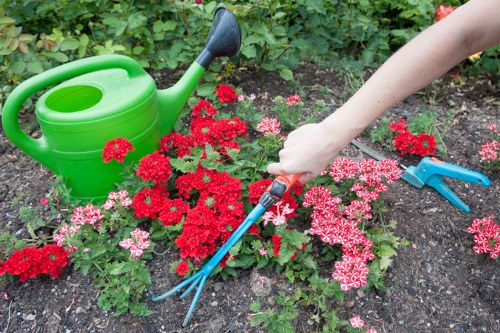
Hedge Trimming Hatch End: Recycling & Sustainability
At the heart of our Hedge Trimming Hatch End approach is a single principle: manage green waste and garden rubbish with an eco-first mindset. Our Hatch End hedge trimming teams plan work so cuttings and clippings are treated as a resource, not refuse. We operate an eco-friendly waste disposal area mindset that prioritises reuse, composting and local redistribution. By coordinating with the local borough's green waste collections and respecting the boroughs approach to waste separation — typically separate food, green and mixed-recycling streams — we reduce landfill and increase material recovery.
How we define sustainable gardening rubbish areas: clear segregation zones on-site for woody cuttings, soft green material, soil and recyclable containers. These internal sorting bays feed into transfer routes that favour reuse and low-carbon transport. Our Hedge trimming in Hatch End crews are trained to avoid contaminating recyclable streams, and we use labelled sacks and crates to keep materials clean and properly sorted before they reach transfer points.
 Our recycling and resource strategy sets a measurable target: we aim to achieve a 70% recycling rate for all garden and hedge waste by the end of the next three years. This target covers everything from woody brash that can be chipped and reused as mulch, to compostable green waste and salvaged planters that are passed on for reuse. Reaching this percentage requires consistent separation on-site, partnerships with local transfer stations, and a commitment to low-carbon logistics.
Local transfer stations and transfer hubs
We work with nearby transfer stations and civic amenity sites that accept separated green waste, timber for chipping, and inert soil material. By routing sorted loads to appropriate hubs — for example, green waste composting facilities or timber chippers — we keep material in the circular economy. Our routing aligns with borough collection schedules and the North London transfer network where applicable, which reduces double handling and lowers overall emissions from transporting waste.
 A key part of our sustainable waste handling is collaboration: we coordinate collection times to match transfer station opening hours, and we use documented chain-of-custody slips so that every load’s destination and treatment are recorded. This transparency helps us hit our recycling percentage target and ensures that recycled outputs (compost, woodchip) are quality-assured for re-use in local parks and domestic gardens.
What we recycle and how:
- Green garden waste: leaves, grass clippings and soft prunings sent to composting or in-vessel treatment;
- Woody material: branches and hedge cuttings chipped to woodchip and mulch;
- Containers and plastics: clean plant pots and packaging segregated for the boroughs dry recycling stream;
- Soil and stones: screened and repurposed where possible, or sent to appropriate inert waste facilities.
Partnerships with charities and community reuse centres
Our Hatch End hedge trimming and garden clearance services maintain active partnerships with local charities and community reuse organisations. Rather than disposing of usable garden furniture, planters or tools, we donate items to community projects and social enterprises that refurbish and redistribute them. These partnerships help reduce waste, support local causes and close material loops — turning surplus from a sustainable rubbish gardening area into resources for community gardens and allotments.
 Low-carbon fleet and logistics: we run a growing fleet of low-emission vans, including electric and hybrid vehicles, to transport sorted loads to transfer stations and charity partners. Route optimisation software reduces mileage and idle time, while last-mile deliveries for plant material or reclaimed soil often use cargo bikes or small electric vans where access is restricted. This low-carbon approach lowers the carbon footprint of Hedge trimming services Hatch End while maintaining reliability.

Monitoring, reporting and continuous improvement
We publish regular sustainability updates showing our progress toward the 70% recycling goal and report the tonnes diverted from landfill. Continuous improvement comes from field feedback, audits at transfer stations, and regular reviews of what local boroughs recommend for waste separation. By embedding clear sorting practices, investing in low-carbon vans, and strengthening charity partnerships, our Hatch End hedge trimming teams turn routine garden maintenance into an opportunity for circular, local sustainability.
In summary: our multi-pronged strategy for hedge trimming in Hatch End focuses on an eco-friendly waste disposal area and creating sustainable rubbish gardening zones. Through defined recycling targets, collaboration with transfer hubs and charities, and a low-carbon fleet, we work to keep garden resources in use and out of landfill — benefiting local green spaces and communities alike.