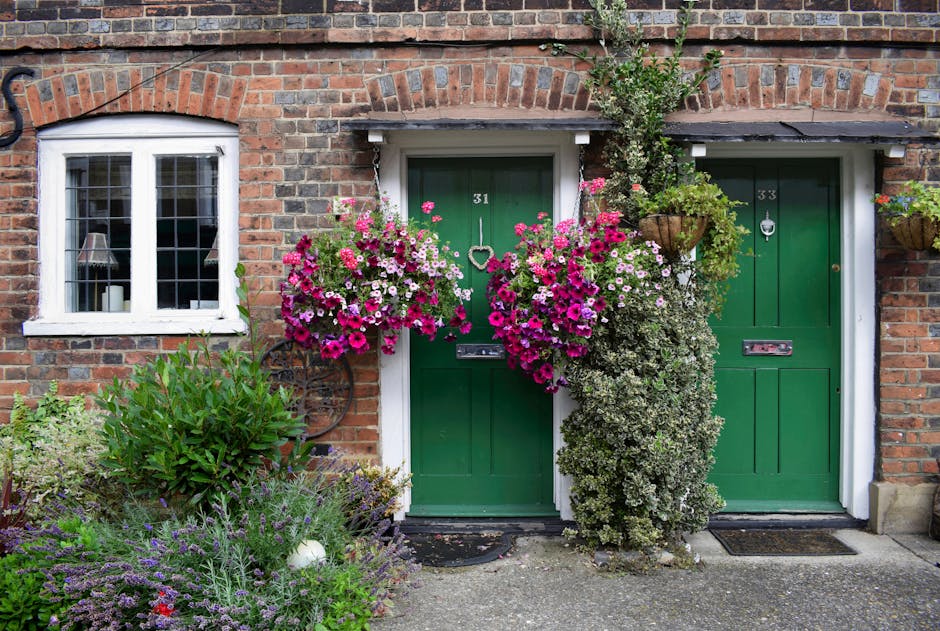
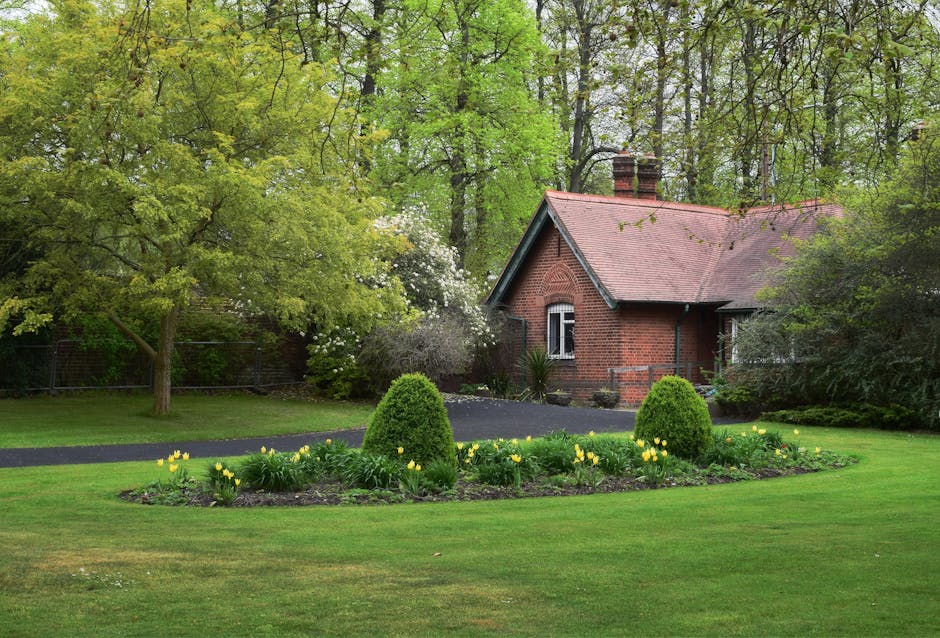
Hatch End gardeners guide to Pinner Road front gardens
If you live near Pinner Road, you already know front gardens in Hatch End have a very specific job to do. They set the tone for the whole property before anyone even reaches the front door. They also have to cope with day-to-day London life: shade from neighbouring buildings, narrow access, bags of foot traffic, patchy soil, bins, delivery vans, and the odd stretch of weather that changes the mood of the whole street in about ten minutes. This Hatch End gardeners guide to Pinner Road front gardens is here to make those spaces easier to plan, maintain, and genuinely enjoy.
Whether you want a sharper entrance, better planting, less maintenance, or a front garden that just feels more welcoming, the right approach is usually simpler than people think. A good front garden isn't about cramming in lots of plants. It's about balance, structure, and choices that suit the street, the house, and your own time. Let's face it, nobody wants a beautiful front garden that becomes a weekly chore by June.
This guide walks through what matters, how front gardens in this part of Hatch End are usually planned, and what to do if you want results that look good through the seasons rather than only for a couple of weeks in spring.
Table of Contents
- Why Hatch End gardeners guide to Pinner Road front gardens Matters
- How Hatch End gardeners guide to Pinner Road front gardens Works
- Key Benefits and Practical Advantages
- Who This Is For and When It Makes Sense
- Step-by-Step Guidance
- Expert Tips for Better Results
- Common Mistakes to Avoid
- Tools, Resources and Recommendations
- Law, Compliance, Standards, or Best Practice
- Options, Methods, or Comparison Table
- Case Study or Real-World Example
- Practical Checklist
- Conclusion
- Frequently Asked Questions
Why Hatch End gardeners guide to Pinner Road front gardens Matters
Front gardens are often judged in seconds. That first glance from the pavement says a lot about the home, even if nobody in the street says it out loud. On a road like Pinner Road, where homes can vary in age, frontage width, boundary style, and exposure, the front garden becomes part visual statement, part practical buffer, part welcome mat.
Good front garden work matters because it does more than improve appearance. It can make the house feel more settled, soften hard surfaces, improve drainage in small ways, and make daily access easier. A well-designed planting bed near the path can also reduce the "blank slab" look that many front drives develop over time. That's especially useful where paving, parking, or low-maintenance needs have taken over the space.
There's also a local character point. Hatch End has a lived-in suburban feel, and front gardens that respect the street often age better than those chasing a trend that doesn't fit the building or the neighbourhood. You do not need a grand formal layout to get a good result. Sometimes a neat edge, a few well-chosen evergreen shrubs, and a thoughtful container or two are enough.
For homeowners who want more than a tidy-up, front garden work also connects with broader garden care. If you are improving the back as well, services like garden design and regular garden maintenance can help create a more coherent look from front to rear. And if your current front garden has become overgrown or uneven, a sensible reset often starts with garden clearance before anything new goes in.
Expert summary: The best front gardens in Hatch End are usually the ones that look intentional, stay manageable, and suit the house without trying too hard. If it feels easy to walk up to, clean to maintain, and pleasant to see from the road, you are probably on the right track.
How Hatch End gardeners guide to Pinner Road front gardens Works
In practical terms, improving a front garden near Pinner Road usually follows a simple sequence: assess the space, understand what it needs to do, then design for the reality of everyday use. Sounds obvious, but a lot of poor results come from skipping the boring middle bit. That middle bit is where the good decisions happen.
1. Assess the site properly
Start with the basics: how much sun does the front garden receive, where does water pool, how deep is the soil, and how often is the area used? A north-facing frontage behaves very differently from one that gets morning sun. A garden with a car turning in and out every day needs tougher materials and planting than a purely decorative front plot.
It also helps to look at what already works. Maybe the hedge gives useful screening. Maybe the path is in the right place but the border is tired. Maybe the issue is simply that the planting has become crowded, woody, or too fussy for the space. Not everything needs ripping out, thankfully.
2. Decide the job the garden must do
A front garden can prioritise several things at once, but one or two should lead the design. For example:
- Make the entrance feel more welcoming
- Reduce maintenance
- Improve privacy without blocking light
- Add year-round structure
- Frame the house neatly
- Create more planting around a driveway
If you try to do all six equally, the result can become muddled. Better to choose a clear priority and let the rest support it.
3. Match plants and materials to real conditions
This is where good horticultural judgement matters. Front gardens near roads can be drier than people expect because paving and walls reflect heat, while compacted soil can make root growth awkward. Tougher shrubs, structured perennials, ornamental grasses, and reliable evergreens often perform better than delicate plants that need constant attention.
The same thinking applies to surfaces. Gravel, paving, edging, and path materials should suit the traffic they will take. A lovely loose gravel finish may look elegant, but if bins drag across it every week, you will soon know about it. Usually the hard-working answer is the right one.
4. Build in maintenance from the start
Front garden work is only successful if you can keep it looking respectable without a weekly wrestling match. That means sensible spacing, manageable pruning, and access for sweeping, weeding, and seasonal tidy-ups. If a design needs specialist care every month to stay neat, it may not be the right design for your lifestyle.
For many households, a blend of hedge trimming, periodic lawn care where relevant, and planned planting maintenance is far more sustainable than a high-detail layout that soon slips. Truth be told, most front gardens look best when they are calm, not crowded.
Key Benefits and Practical Advantages
A well-planned front garden does a lot of quiet work. People often notice the flowers first, but the real value is broader than that. Here are the most useful benefits for Hatch End properties along roads like Pinner Road.
- Stronger kerb appeal: The house looks cared for and visually settled.
- Better first impressions: Visitors, buyers, and neighbours see a coherent frontage.
- Lower long-term maintenance: Good structure reduces the need for constant rescue jobs.
- Improved boundaries: Hedges, low walls, and planting can define the space neatly.
- More useful access: Pathways and entry points stay clearer and safer.
- Seasonal interest: Evergreen structure plus reliable flowering gives the garden life across the year.
- Better balance with the house: The garden stops competing with the building and starts supporting it.
There is also a subtle emotional benefit. A front garden that feels under control tends to make the whole home feel more settled. You see it when you pull in after work on a dark evening and the place still looks composed. Small thing, but it matters.
If your frontage includes a drive, side access, or shared boundary, it can also be worth thinking about how the planting interacts with access routes and long-term upkeep. In some cases, a broader package of support such as tree surgery, stump removal, or even patio cleaning for nearby hard surfaces can make the whole entrance feel properly finished.
Who This Is For and When It Makes Sense
This guide is for homeowners, landlords, and anyone responsible for keeping a front garden in decent shape near Pinner Road. It is especially useful if the space feels a bit tired, overgrown, too empty, or simply not in step with the property.
You may need this approach if:
- The front garden has become difficult to maintain
- The planting looks uneven or mismatched
- Hard landscaping dominates the frontage
- The entrance feels cluttered or dark
- Boundary hedges are too high or too thin
- You want a more polished look before selling or letting
- There is a drive, walkway, or parking area that needs softening
It also makes sense if you have just moved in and want to understand what you are dealing with before changing anything. A lot of front gardens look straightforward until you start lifting the bonnet, so to speak. Then you discover compacted soil, old roots, poor drainage, or plants that only worked because someone else maintained them religiously.
For some properties, this is a one-off refresh. For others, it becomes a longer-term plan with seasonal maintenance, pruning, and light improvements over time. Both are valid. You do not need to solve everything in one weekend.
Step-by-Step Guidance
If you want a front garden that actually lasts, work through the project in stages. This is the practical bit, the part that saves money, time, and later regrets.
Step 1: Clear the picture
Remove dead annuals, self-seeded clutter, broken pots, and any plant material that no longer contributes. If the space is badly congested, a basic clearance is often the turning point. Once the noise is gone, you can see the structure.
Step 2: Map sun, shade, and movement
Watch the front garden at different times of day if you can. Morning shade, late-afternoon glare, and where people actually walk all shape the design. A plant in the wrong light will always look disappointing, no matter how good the nursery label was.
Step 3: Decide your structure
Set the fixed elements first. That might include:
- A path width that feels comfortable
- Low edging or boundary definition
- A hedge line or shrub framework
- One focal point near the entrance
- Areas for planting versus hard surface
Structure is the part many people skip because it is less glamorous than the planting. But it is what makes the planting work.
Step 4: Choose a planting palette
For a front garden, a limited plant palette is usually better than an overstuffed one. Repeating a few plants gives rhythm. That might mean evergreen structure, a couple of reliable flowering shrubs, and perennials for seasonal variation. If you want colour, use it deliberately rather than scattering it everywhere like confetti.
Step 5: Plan for maintenance, not perfection
Ask yourself what the garden will need in month six, not just on the day it is finished. Will the hedge need trimming? Will mulch need topping up? Can the borders be weeded without awkward contortions? Practical questions, yes, but they are what determine whether a front garden stays attractive.
Step 6: Finish with tidy edges
The smallest details often make the biggest visual difference. Crisp edges, clean lines around paths, and uncluttered entrances can make a modest frontage look much better. I've seen simple edge work transform a front garden before the first flower even opened.
Expert Tips for Better Results
These are the kinds of decisions that separate an average front garden from one that feels quietly polished.
- Keep repetition in the design. Repeating a shape, colour, or plant group makes the space feel intentional.
- Use evergreens as the backbone. They hold the garden together in winter, which matters more than people expect.
- Leave breathing space. Plants that can grow to their full size without crowding paths always look better.
- Choose the right scale. A tiny planting scheme in a large frontage can look lost; huge shrubs can overwhelm a small plot.
- Respect the house style. A contemporary layout suits some properties, while older homes often look better with softer, more classic planting.
- Think about sightlines. You want to see the entrance clearly, but not create a sterile or exposed feel.
- Use mulch sensibly. It helps reduce weeds and tidy the finish, though it should be maintained rather than ignored.
One small but useful habit: step back from the pavement before deciding if a border works. What looks good from the kneeler can look completely different from street level. That little shift in viewpoint saves a lot of awkward "why does this suddenly feel off?" moments.
If your frontage includes mature trees or large shrubs, it may be worth checking whether ongoing garden maintenance or occasional arboricultural work is needed to keep light and space in balance. A good front garden should breathe.
Common Mistakes to Avoid
Front gardens fail for fairly predictable reasons. The good news is that most of them are avoidable.
- Overplanting: Too many species create visual noise and make maintenance harder.
- Ignoring drainage: Waterlogging or constant splashback near the entrance will undo good work quickly.
- Choosing plants only for one season: A spectacular summer display is lovely, but not enough on its own.
- Letting hedges drift: Untrimmed boundaries can make the whole frontage feel narrow or neglected.
- Using the wrong materials: Slippery paths, shifting gravel, or awkward edging all cause daily irritation.
- Forgetting access: The garden should work for bins, deliveries, visitors, and regular movement.
- Designing for a magazine photo, not real life: Beautiful, yes. Practical too, please.
A classic mistake is buying lots of attractive plants without a plan for spacing. They look fine in the trolley, then suddenly the border becomes a crowded argument by August. It happens. More often than people admit.
Another one is neglecting the front boundary while focusing only on flowers. A neat hedge line or fence detail can do more for the appearance of the house than a dozen short-lived blooms. Slightly unfair, perhaps, but true.
Tools, Resources and Recommendations
You do not need a shed full of specialist gear to improve a front garden, but the right tools make the job cleaner and less frustrating.
Useful tools for front garden work
- Good quality secateurs for pruning and deadheading
- Hand fork and trowel for border work
- Long-handled shears for tidying hedges and soft growth
- Spade or border fork for soil improvement
- Wheelbarrow or sturdy garden trug for clearance work
- Weed-suppressing membrane only where it genuinely suits the design
- Mulch, compost, and edging tools for finishing touches
Useful services and support
Depending on the state of the garden, you may benefit from a combination of design, clearance, and maintenance support. For example, if the front garden is dominated by old shrubs or tangled roots, garden clearance can create a clean starting point. If you are dealing with a larger outdoor refresh, garden design can help pull the whole frontage together rather than treating each corner separately.
Where lawns, hedges, or tree cover play a part, other services such as hedge trimming, tree surgery, and lawn care can be part of a sensible maintenance plan. And if you are finishing off a frontage with hard landscaping nearby, patio cleaning may make a surprisingly big difference to the final impression. A front garden rarely exists in isolation, after all.
Law, Compliance, Standards, or Best Practice
For front gardens in Hatch End, the main compliance issue is usually not about formal regulation so much as common-sense best practice and local context. That said, it is still wise to be careful around access, boundaries, and any protected vegetation.
Here are the main points to keep in mind:
- Do not obstruct access: Paths, gates, and driveways should remain usable.
- Check boundary responsibility: If a hedge or fence line sits on a boundary, confirm who maintains which side before making changes.
- Be careful with trees: Large trees may be subject to protections or require sensitivity when pruning or removing. If in doubt, get qualified advice.
- Manage runoff thoughtfully: If you are changing hard surfaces, make sure water is not being pushed toward neighbouring property in an obvious or avoidable way.
- Use competent contractors: For larger works, especially involving trees, hard landscaping, or major clearance, ask for clear scope and sensible method statements.
Best practice in a residential area like Pinner Road also means being considerate about noise, spoil removal, and working hours. Nothing dramatic, just basic neighbourly sense. It goes a long way.
If you are unsure whether a particular tree, hedge, or structural change is appropriate, it is better to ask first than to tidy later and wish you hadn't.
Options, Methods, or Comparison Table
Different front garden approaches suit different properties and lifestyles. Here's a straightforward comparison to help you decide what feels realistic.
| Approach | Best for | Pros | Trade-offs |
|---|---|---|---|
| Low-maintenance planting | Busy households, rental homes, and practical frontages | Reliable, tidy, easier to keep looking good | Can feel less seasonal if not layered well |
| Formal structure | Traditional homes and neat street-facing layouts | Strong kerb appeal, clear shape, refined look | Needs disciplined pruning and periodic upkeep |
| Soft cottage-style planting | Homes that suit a relaxed, lush look | Warm, welcoming, visually rich | Can become messy if overcrowded |
| Mixed hardscape and planting | Driveways and compact urban frontages | Practical, adaptable, modern | Easy to make it look too hard or too sparse |
| Full renovation | Very tired, neglected, or poorly arranged gardens | Clear reset, better long-term function | Higher upfront effort and planning |
If you want the simplest route, choose the style that fits your available upkeep, not just your taste on a good day. That sounds blunt, but it saves disappointment later.
Case Study or Real-World Example
Here's a realistic example based on the kind of front garden many Hatch End homeowners deal with.
A semi-detached house on or near Pinner Road has a shallow frontage with a small drive, a tired shrub border, and a path that feels a bit squeezed. The garden is not terrible, just unloved. The shrubs have grown lopsided, the soil looks compacted, and the entrance is functional but forgettable.
The best approach is usually not a full strip-out. Instead:
- Remove dead and overcrowded planting.
- Keep one or two healthy shrubs as structure if they still suit the space.
- Widen the visual path by cleaning the edges and defining the border line.
- Add a limited number of repeated plants for rhythm.
- Use mulch to reduce weeds and lift the finish.
- Trim the boundary and tidy the hard surfaces so the whole frontage feels connected.
The result is often more dramatic than people expect. Not flashy. Just calm, neat, and more expensive-looking in that quiet way good front gardens tend to be. The important thing is that the space works from the street, from the path, and from the front window.
And yes, sometimes the biggest improvement is simply removing one overbearing shrub that has outstayed its welcome. Planting can be lovely, but space matters too.
Practical Checklist
Use this checklist before starting work on a front garden near Pinner Road.
- Have I looked at sun, shade, and drainage?
- Do I know whether the main goal is lower maintenance, better kerb appeal, or a full refresh?
- Is the existing boundary worth keeping, pruning, or replacing?
- Have I checked what already works and should be retained?
- Do the proposed plants suit the soil and exposure?
- Is there enough space for walking, bin movement, and everyday use?
- Will the design still look good in winter, not just in peak flowering season?
- Have I allowed for regular trimming, weeding, and seasonal care?
- Do I need clearance, pruning, or tree work before new planting starts?
- Have I thought about how the front garden fits the house style?
If you can tick most of those off, you are already ahead of many front garden projects. Honestly, that's half the battle.
Conclusion
A good front garden on Pinner Road does not need to be extravagant. It just needs to be well judged. The best results come from clear structure, sensible planting, and a design that fits the way you actually live. That is the heart of this Hatch End gardeners guide to Pinner Road front gardens: practical decisions first, prettiness second, and then the two working together.
If your front garden feels cluttered, bare, or difficult to keep under control, start with the basics. Clear what no longer serves the space, keep the strongest features, and build a plan that suits the house and the street. Small improvements can go a long way. Sometimes very long, to be fair.
Get a free quote today and see how much you can save.
And if you take one thing from this guide, let it be this: a calm, well-kept front garden can make coming home feel a little better every single day.
Frequently Asked Questions
What makes a front garden on Pinner Road different from a back garden?
A front garden has to work harder visually and practically. It needs to look good from the street, stay tidy, and often allow for paths, bins, or parking access. Back gardens can be more private and relaxed, while front gardens usually need stronger structure and easier upkeep.
What are the best plants for a low-maintenance front garden in Hatch End?
Reliable evergreen shrubs, compact ornamental grasses, and durable perennials usually work well, especially where the space gets regular foot traffic or mixed shade. The best choice depends on sun, soil, and how much time you want to spend maintaining the bed.
How do I make a small front garden look bigger?
Use simple lines, avoid overcrowding, and keep the planting palette limited. Clear boundaries and a tidy path also help. A small space often looks larger when it feels calm rather than busy.
Should I choose gravel, paving, or planting for the front garden?
It depends on your priorities. Paving is practical for access, gravel can soften the look if maintained properly, and planting adds life and year-round interest. Many good front gardens use a mix rather than one single material.
How often should a front hedge be trimmed?
That depends on the species and the finish you want, but many hedges benefit from regular trimming during the growing season. If the hedge defines the front garden, keeping it neat has a big visual payoff. If unsure, professional hedge care is usually safer than letting it run wild.
Do front garden changes need permission in the UK?
Simple planting and maintenance usually do not, but larger changes involving trees, boundary structures, access, drainage, or protected features may need extra care. If you are unsure, it is best to seek local advice before starting major work.
Can I improve a front garden without replacing everything?
Absolutely. Often the best results come from pruning, clearance, edge definition, better spacing, and a few new plants rather than a full rebuild. That approach is cheaper, less disruptive, and often more effective than people expect.
What is the most common mistake homeowners make with front gardens?
Overplanting is probably the big one. People buy too many plants, place them too close together, and then spend the next year trying to keep order. Less can genuinely be more in a front garden.
How do I keep a front garden looking tidy all year?
Choose a strong evergreen framework, keep the edges neat, use mulch or ground cover to suppress weeds, and schedule seasonal pruning. A little routine care prevents the space from drifting into that "I'll deal with it next weekend" zone.
Is it worth hiring a gardener for a front garden refresh?
If the space is overgrown, uneven, or needs a clear design plan, yes, it can be worth it. A professional can help with plant selection, pruning, clearance, and maintenance planning so the result is both attractive and realistic.
How do I balance privacy and a welcoming look in the front garden?
Use low or medium-height planting, layered borders, and carefully chosen boundaries. You want enough screening to feel comfortable, but not so much that the frontage feels closed off. It is a bit of a balancing act, but a solvable one.
What should I do first if my front garden is completely neglected?
Start with clearance. Remove dead material, sort out overgrown shrubs, and reveal the shape of the space. Once you can see the structure, everything else becomes much easier to plan.
Can front gardens help improve property appeal when selling?
Yes, a neat and coherent front garden often improves first impressions. Buyers usually notice the entrance, the path, and the overall condition before they focus on finer details. A tidy frontage can quietly support the whole viewing experience.