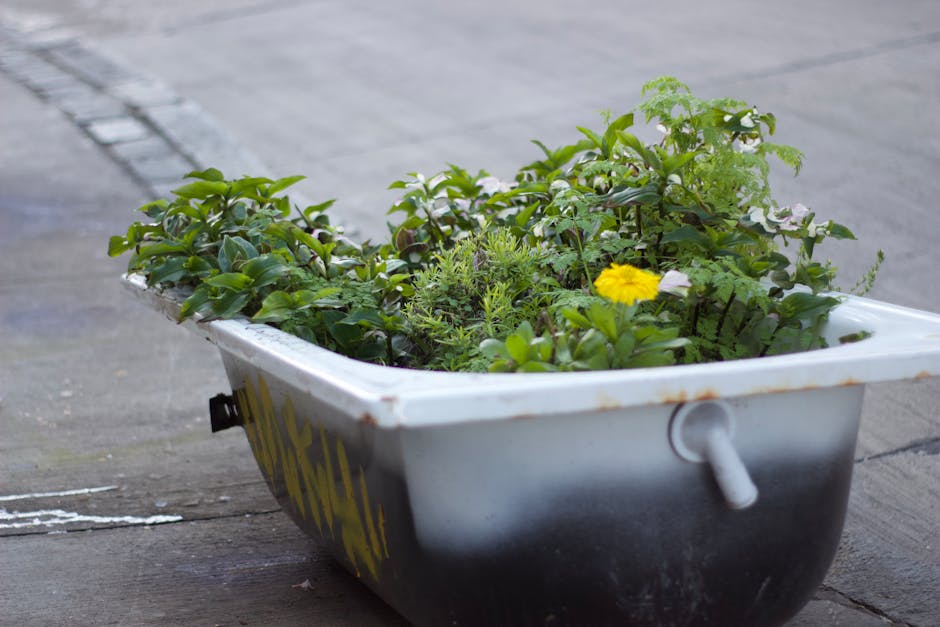
Hatch End station gardeners tips for commuter planters
If you are trying to keep containers alive around a busy commute, you already know the awkward bit: plants do not care that your train leaves at the same time every morning. The best Hatch End station gardeners tips for commuter planters are the ones that work with a packed weekday, not against it. That means choosing the right containers, building in watering help, and setting up a small routine that still holds together when life gets messy. Truth be told, that is the whole game.
This guide is for people who want planter displays that look good near a station, on a forecourt, along a path, or outside a home office that gets early-morning light and late-afternoon neglect. It also helps if you manage a shared frontage, a small business entrance, or a terrace that gets wind, foot traffic, and the occasional dropped coffee lid. We will cover the practical stuff: how commuter planters work, what to plant, how to keep them going, and what to avoid when you only have a few windows of time each week.
To make this more useful, I have also linked in a few related guides from the same site where they fit naturally. If you are building a fuller local planting plan, those pages can help you join the dots without starting from scratch.
Table of Contents
- Why Hatch End station gardeners tips for commuter planters Matters
- How Hatch End station gardeners tips for commuter planters Works
- Key Benefits and Practical Advantages
- Who This Is For and When It Makes Sense
- Step-by-Step Guidance
- Expert Tips for Better Results
- Common Mistakes to Avoid
- Tools, Resources and Recommendations
- Law, Compliance, Standards, or Best Practice
- Options, Methods, or Comparison Table
- Case Study or Real-World Example
- Practical Checklist
- Conclusion
- Frequently Asked Questions
Why Hatch End station gardeners tips for commuter planters Matters
Commuter planting is a different beast from relaxed weekend gardening. You are not just trying to grow something pretty. You are trying to keep it alive with limited time, uneven weather exposure, and a schedule that does not always forgive a missed watering. Near Hatch End, that often means exposed spots, quick in-and-out routines, and planting areas that need to stay tidy because people see them every day.
That is why the right approach matters. A planter on a station route or commuter frontage needs to do several jobs at once:
- look presentable in all seasons, or at least not collapse by midweek
- cope with heat, wind, shade, and reflected light from paving or brick
- survive on a practical care schedule, not an ideal one
- avoid messy drop, root crowding, or waterlogging
- stay safe and unobtrusive where people walk past quickly
Done well, commuter planters become one of those quiet wins. They make an entrance feel cared for. They soften hard edges. They can even make the return home feel a little kinder after a long day. And yes, people do notice, even if they do not say anything. A tidy, thriving planter says someone is paying attention.
If you want to build the bigger picture around local planting care, the broader advice in garden maintenance and the more specific ideas in seasonal garden tips are useful companions to this guide.
How Hatch End station gardeners tips for commuter planters Works
The logic behind commuter planters is simple: reduce daily effort, increase resilience, and choose plants that can handle a bit of inconsistency. The best systems are designed backwards from real life. Start by asking, "What will I actually have time to do?" rather than "What would look amazing if I had a spare hour every morning?" Slightly different question. Much better result.
A good commuter planter setup usually combines four elements:
- Container structure - a sturdy pot or planter with enough depth and drainage.
- Growing medium - compost that holds moisture without turning soggy.
- Plant choice - resilient species suited to the site conditions.
- Care rhythm - a realistic schedule for watering, feeding, trimming, and checking.
The plan should also reflect how the space is used. A planter by a station entrance may need compact, low-spill planting. A terrace planter might prioritise scent or privacy. A narrow front path might need height without becoming a trip hazard. Those small site details matter a lot more than people expect.
In practice, it often works best to group tasks into quick touchpoints. For example, a Monday check for moisture, a midweek deadhead, and a weekend top-up can keep most planters presentable. You are not trying to recreate a full-day garden routine. You are building a small, dependable system.
That is also where guidance like patio and container gardening can be helpful, because the principles overlap heavily: good drainage, sensible plant spacing, and less fuss, more consistency.
Key Benefits and Practical Advantages
The main benefit is not just visual. It is control. When you know your planters are set up properly, you spend less time firefighting and more time enjoying the result. That matters if you are juggling work, travel, family, and the usual London pace of life.
Here is what a well-planned commuter planter system can give you:
- Lower maintenance - fewer panic waterings and less constant pruning.
- Better plant health - roots are less likely to dry out or sit in stagnant water.
- Cleaner presentation - a neater look around entrances, paths, and waiting areas.
- Seasonal flexibility - easier swaps when a display needs refreshing.
- Stress reduction - one less thing nagging at the back of your mind.
There is also a softer benefit. Plants make space feel intentional. A well-kept planter can turn a bland corner into something that feels slightly calmer, which is no small thing if you arrive home on a crowded train with your brain still buzzing. Let's face it, some days even a small patch of greenery feels like a reset button.
For business-facing spaces, good planter design can support a tidy first impression without needing a full landscaping project. If you are thinking beyond the pots themselves, the guidance on landscape gardening gives a useful sense of how container planting fits into a wider outdoor layout.
Who This Is For and When It Makes Sense
Commuter planter advice is especially useful if you have one or more of the following situations:
- you leave home early and return late
- your planting area gets partial sun, wind, or shade in awkward combinations
- you manage a shared entrance, station-side frontage, or small business step
- you want plants, but you do not want a high-maintenance border
- you need something attractive that still looks acceptable if one watering is missed
It also makes sense if you are new to gardening and do not want to begin with a project that fails because it was too ambitious. A commuter planter is a good entry point. You can start small, learn the rhythm, and expand later.
There are times when this approach is less suitable, too. If the spot is deeply shaded, permanently exposed to strong wind, or constantly trampled, you may need a more tailored setup. In those cases, a quick chat with a local gardening professional can save you weeks of trial and error. Not glamorous, but useful.
If your goal is to create something cohesive from the start, the planning ideas in planting design can help you balance colour, structure, and upkeep without overcomplicating the job.
Step-by-Step Guidance
This is the part that usually makes the biggest difference. A lot of planter problems start with the setup, not the plants. Get the base right and the routine becomes much easier.
1. Assess the site honestly
Stand where the planter will live and look at it at different times of day if you can. Morning sun is not the same as afternoon heat. A sheltered corner may still dry out quickly if the surface is reflective. Ask yourself:
- How much direct light does it get?
- Does wind whip through the area?
- Will people brush past or knock it?
- Can you reach it easily for watering?
Accessibility matters more than people think. If it is awkward to reach, you will skip maintenance. Simple as that.
2. Choose the right container
For commuter use, stability beats novelty. A lighter planter may look fine, but if it blows over or dries out in a day, it becomes a problem quickly. Depth matters too. Shallow pots are fine for some bedding, but stronger root systems need more room.
Look for drainage holes, a stable base, and a size that matches the plant mix. Too small, and you spend your life watering. Too large, and you may struggle to keep the compost balanced if the planting is sparse.
3. Use moisture-retentive compost, but not soggy compost
The ideal mix holds water around the roots without turning into a swamp. That sounds obvious, but you would be surprised how often container planting fails because the compost is either too free-draining for the site or too heavy for the container. A decent-quality compost mixed for containers is usually the safer starting point, especially where watering time is limited.
4. Select plants that can tolerate real life
For commuter planters, resilience matters more than novelty. Choose plants that suit the conditions and can bounce back after a missed watering or two. Good candidates often include hardy perennials, compact evergreen structure plants, drought-tolerant herbs, and seasonal colour that does not sulk at the first change in weather.
Mixing plant types helps. One structural plant, one filler, one trailing plant. That simple formula often works better than cramming in too many different varieties. And yes, restraint is underrated in gardening.
5. Set up a realistic watering routine
This is where commuter planters live or die. Water deeply enough to reach the root zone, not just a quick sprinkle on the surface. In warm spells, containers may need checking more often than you expect. In cooler weather, the same planter might need much less.
A practical routine might look like this:
- Check moisture with a finger test.
- Water if the top layer is dry and the pot feels light.
- Water early in the day where possible.
- Remove standing water if drainage is poor.
One-line truth: containers forgive little, but they also reward attention very quickly.
6. Feed, trim, and refresh on a cycle
Plants in pots use up resources faster than plants in the ground. A light feeding schedule during active growth can help, but only if the plant is already healthy and well watered. Keep deadheading and trimming small and regular, not all-in-one chaos at the end of the month. A five-minute tidy is far easier than a full rescue mission.
Expert Tips for Better Results
The best commuter planter setups usually have a few quiet tricks behind them. Nothing flashy. Just smart habits that save time later.
- Use a slow-release watering aid where appropriate, especially in hot or exposed spots.
- Plant slightly more densely than you would in a border, so the display fills out sooner and weeds have less room.
- Repeat colours or leaf shapes to make the planting look deliberate rather than random.
- Top-dress with bark or gravel if it suits the planting, because it reduces splash and helps retain moisture.
- Keep a small spare stock of replacements for gaps, especially if the display faces a lot of foot traffic.
One thing people often miss: the best plants for commuter spaces are not always the flashiest. They are the ones that still look decent on the day you forget them. That is the real test, honestly.
If your planters need a more bespoke setup or regular care, related local services such as garden clearance and routine garden maintenance can help keep the space manageable between seasonal refreshes.
Common Mistakes to Avoid
Most planter mistakes are understandable. People start with enthusiasm and then, well, the commuter routine takes over. The issue is that a few small errors tend to snowball.
- Choosing pots that are too small for the plants or the site.
- Ignoring drainage and then wondering why roots rot or leaves yellow.
- Picking plants for looks only without checking light and exposure.
- Overcrowding the display so it looks good for two weeks and then collapses.
- Using a care routine that is too ambitious for a busy weekday life.
- Forgetting seasonal changes such as winter wet, spring growth spurts, or summer drying.
Another common slip is trying to make one planter do everything. Shade plant, colour plant, screening plant, pollinator plant, scent plant. A bit much. Better to decide what the planter is for, then let it do that job well.
And yes, there is always that one pot that seems fine until the first hot weekend. We have all been there.
Tools, Resources and Recommendations
You do not need a van full of equipment. A few reliable tools and sensible materials are enough for most commuter planter jobs.
| Item | Why it helps | Good for |
|---|---|---|
| Long-spout watering can | Reaches into deep planters without spilling | Tight spaces and regular watering |
| Hand trowel | Makes planting and top-ups easier | Replanting and maintenance |
| Secateurs | Clean cuts for deadheading and pruning | Keeping growth tidy |
| Moisture-retentive compost | Helps containers cope with missed watering | Busy or exposed sites |
| Mulch or top dressing | Reduces evaporation and improves presentation | Visible frontages and sunny spots |
For planning the broader planting style, a guide such as garden design ideas can be useful when you want the planter to look intentional rather than simply filled. And if you are deciding how to shape the overall space, landscape gardening is a good wider reference point.
Tools aside, the main resource you need is a realistic schedule. A neat notebook note in your phone can do more for plant health than an expensive gadget, to be fair.
Law, Compliance, Standards, or Best Practice
For most planter projects, the biggest issue is not formal regulation but sensible best practice. That said, if you are placing containers in a shared area, near a public route, or on business premises, you should think carefully about safety, access, and maintenance responsibility.
Useful principles to keep in mind:
- Do not obstruct walkways or create trip hazards.
- Keep planters stable so they are not easily knocked over.
- Make sure drainage does not create slipping issues on paths or steps.
- Check any lease, management, or site agreement before changing shared outdoor areas.
- Assign responsibility clearly if more than one person is involved.
If the planter is part of a commercial frontage or communal access point, a sensible maintenance routine matters as much as the planting itself. In UK settings, clear access and safe surfaces are usually treated as baseline expectations, even when no special project permission is involved. When in doubt, keep it neat, visible, and easy to move if needed.
For larger sites that need a coordinated approach, support from commercial gardening can be worth considering, especially where presentation and upkeep are both part of the brief.
Options, Methods, or Comparison Table
If you are choosing a method for commuter planters, it helps to compare the main approaches side by side. The right answer depends on time, exposure, and the look you want.
| Method | Best for | Pros | Trade-offs |
|---|---|---|---|
| Seasonal bedding | Quick colour and visual impact | Bright, flexible, easy to refresh | Needs more frequent replacement and watering |
| Evergreen structural planting | Low-fuss, year-round presence | Reliable shape, less seasonal collapse | Less change and colour variety |
| Mixed container scheme | Balance of form and colour | Looks fuller and more intentional | Needs a bit more planning |
| Herb-based planters | Edible or scented spaces | Useful, attractive, practical | Some herbs dislike wet, exposed conditions |
For most commuter situations, a mixed container scheme wins. It gives you enough structure to stay tidy, with enough colour to stop it feeling flat. If you want more inspiration for how planting choices are put together, planting design is a strong starting point.
Case Study or Real-World Example
Picture a small frontage near a station route: two medium-sized planters, one in a slightly sheltered spot and one close to an exposed edge where wind nips through on a grey morning. The owner wants something attractive but does not have time for daily care. A classic overloaded bedding display would probably fail by midsummer. It would look brilliant for a fortnight, then become a thirsty, patchy mess. Not ideal.
A better setup would use one sturdy evergreen feature plant in each container, a few lower-growing fillers, and a trailing plant to soften the edges. The compost would be moisture-retentive, the planters deep enough to avoid constant drying, and the watering routine kept simple: check twice a week in mild weather, more often in hot spells. A quick trim every week or so keeps the shape under control.
What tends to happen in that kind of setup is encouraging. The display settles in. It stops demanding attention every day. And because the structure is sound, the planting still looks cared for even when one week gets away from you. That is the sweet spot for commuter planters: not perfection, just dependable good form.
In our experience, that is usually what people want anyway. Something that looks right when they pass it at 7:45 in the morning and again when they come home, slightly tired, just after dusk.
Practical Checklist
Use this checklist before you plant, or when you are reviewing an existing planter that has started looking tired.
- Have you checked sunlight, shade, wind, and access?
- Is the planter deep enough and stable enough for the site?
- Does it have proper drainage?
- Have you chosen plants that match the conditions, not just the colour scheme?
- Is the compost suitable for containers and moisture retention?
- Do you have a realistic watering routine?
- Can you deadhead, trim, and inspect the planter in under ten minutes?
- Have you allowed space for growth rather than packing everything in too tightly?
- Will the planter still look acceptable if you miss one maintenance window?
- Have you considered safety, access, and shared-use responsibilities?
If you can tick most of those boxes, you are already ahead of the game. If not, no drama. Start with the biggest weak point and fix that first.
Conclusion
The best Hatch End station gardeners tips for commuter planters are not complicated, but they are disciplined. Choose containers that suit the site, plant for resilience, and build a routine that works on real weekdays, not ideal ones. That combination is what keeps planters looking tidy through changing weather, busy schedules, and the occasional forgotten watering. Small systems, done properly, last far longer than ambitious ones that collapse under their own effort.
If you are starting fresh, begin with one planter and get that right before expanding. If you already have a display, trim back what is not working and strengthen the basics. A calmer, cleaner planter is often the result of subtraction, not addition. Oddly enough, less can look better. More often than not, it does.
Get a free quote today and see how much you can save.
And if you keep at it, one day the planter that once felt like another chore will start feeling like a little signal that the day is done and home is waiting. That is a nice moment, really.
Frequently Asked Questions
What are the best plants for commuter planters near Hatch End station?
The best plants are usually resilient, container-friendly, and suited to your site conditions. Think compact evergreen structure, tough perennials, and seasonal plants that do not collapse quickly if watering is a little inconsistent. Match the plant to the light and exposure first, then worry about colour.
How often should commuter planters be watered?
There is no fixed schedule that works for every planter. In warm or windy conditions, containers may need checking several times a week or even daily. In cooler weather, much less. The simple test is to feel the compost and judge whether the pot is drying out faster than expected.
What is the easiest way to keep a planter looking tidy with limited time?
Keep the design simple, use a stable structure plant, and deadhead or trim lightly rather than waiting for a big monthly tidy. Five minutes of regular care often beats one long rescue session. That is usually the difference between tidy and tired-looking.
Do I need special compost for commuter planters?
It helps to use a good-quality container compost that holds moisture but still drains properly. If the planter is exposed to wind or hot sun, moisture retention becomes more important. If the site is shaded or damp, avoid anything that stays too wet for too long.
Can I use herbs in commuter planters?
Yes, but only if the conditions suit them. Many herbs prefer sun and freer-draining compost. Rosemary, thyme, and sage are often more forgiving than softer herbs. If the spot is wet, shady, or heavily shaded for part of the day, herbs may struggle.
How do I stop planters from drying out too fast?
Choose deeper containers, use moisture-retentive compost, mulch the surface if appropriate, and group plants so they shade the soil a little. Watering in the morning also helps. In exposed spots, larger containers generally perform better than small decorative pots.
What are the most common mistakes people make with commuter planting?
The biggest mistakes are choosing the wrong pot size, ignoring drainage, overpacking the container, and picking plants based only on appearance. Another classic one is setting up a planter that looks lovely but is too awkward to reach. If you cannot water it easily, it will become a problem.
Are low-maintenance planters actually low maintenance?
Usually yes, but only if they are designed that way from the start. Low-maintenance does not mean no maintenance. It means the planting is more forgiving, the routine is simpler, and the display can survive occasional lapses without falling apart.
What should I do in winter with commuter planters?
Winter planters should be checked for waterlogging, frost damage, and wind exposure. Some displays benefit from evergreen structure, while others need seasonal replacements. Keep surfaces tidy, remove failing annuals promptly, and avoid leaving pots saturated for long periods.
Do I need permission to place planters in a shared or public-facing area?
That depends on where the planters sit and who is responsible for the space. In shared or business areas, check any lease, management, or site agreement before making changes. The safest approach is to ensure the planter does not obstruct access or create hazards.
How can I make a small planter look fuller without making it overcrowded?
Use a strong focal plant, a few supporting fillers, and one or two trailing plants. Repeat colours or leaf shapes rather than trying to fit in too many different species. A fuller look usually comes from smart layering, not cramming more in.
Is it worth hiring a professional for commuter planter upkeep?
If the planters are part of a frontage, shared space, or business entrance, professional help can be worthwhile. It can save time, keep the planting consistent, and reduce the risk of avoidable mistakes. For simple home planters, though, a well-designed system may be enough to manage yourself.